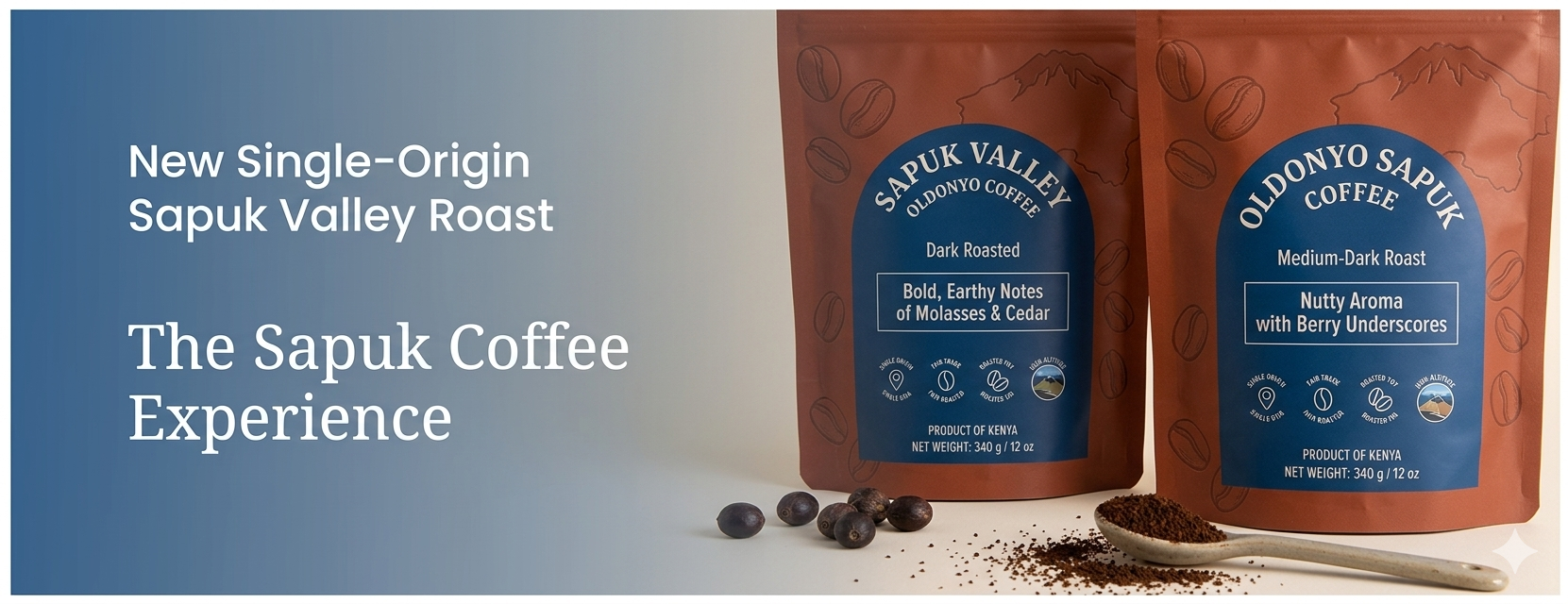
Oldonyo Sapuk Coffee

Oldonyo Sapuk Coffee of the Mountain

Born on a sacred mountain named in three languages, roamed by over 250 wild buffalo, and steeped in a century of extraordinary human stories — Oldonyo Sapuk Coffee grows where most coffee can only dream of. Grown on the sun-warmed slopes of Ol Donyo Sapuk, our hand-picked Arabica is naturally sun-dried beneath open skies to develop wild berry sweetness, honeyed depth, and a clean highland finish. Every cherry is carefully selected at peak ripeness, then slowly dried to preserve the full complexity of the fruit — a true expression of Kenya's highland terroir in every cup.

In the Cup Freshly Brewed
Oldonyo Sapuk — Terroir Stats
2,145 m Altitude · 7,037 ft Higher = slower cherry = more complex sugars = more flavour
37.24°E ~1.07°S · Machakos County Where Murang'a, Kiambu & Machakos converge
1,034–1,296 mm Annual Rainfall Dual-season rainfall concentrates flavour. Stress is not a flaw here.
25°C Average Temperature Cool nights slow the cherry. Warm days push the sugars. Balance.
Red & Loam Volcanic Soil Iron-rich, deep mineral reserves. Our roots drink from the mountain.
9+ yrs Tree Age Older trees reach deeper. Deeper roots find nutrients young trees cannot.
Ol Donyo Sapuk · Kenya Highlands

A Mountain That Chose Its Coffee.

Long before your morning cup existed, this mountain had a name in three languages. Every culture that ever looked up at this peak understood that something sacred lived here.

In 1901, Lord William Northrup McMillan rode in from the plains and built the grandest estate in the Kenya highlands. He hosted American presidents and British prime ministers on these same slopes. His manager, Lord Delamere, helped shape the agricultural ambition of an entire region. McMillan is buried on the summit he loved.

We are here because this land called us back. What McMillan saw in this mountain, we still see every morning.

Some legacies are told in books. Ours is tasted in a cup.
Coffee cherries on the slopes of Ol Donyo Sapuk
The Mountain's Three Names
Maasai

Ol Donyo Sabuk

The Big Mountain
Kamba

Kyanzavi

Mountain of the Lablab Bean
Kikuyu

Kea-Njahe

Mountain of the Big Rain · Ngai's lesser home

Today 250 wild buffalo still roam the mountain's forested slopes. Their paths cross our farm. Their presence reminds us daily that we are guests of something ancient.

Oldonyo Sapuk Coffee Supply for Roasted Coffee Beans

Current price is: KSh15.00. Original price was: KSh25.00.

Oldonyo Sapuk Coffee AA Grade

Current price is: KSh15.00. Original price was: KSh25.00.

Oldonyo Sapuk Coffee Supply for Grinded Coffee Beans

Current price is: KSh15.00. Original price was: KSh25.00.

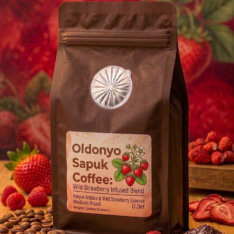
Oldonyo Sapuk Coffee Straberry Flavour

Current price is: KSh15.00. Original price was: KSh25.00.

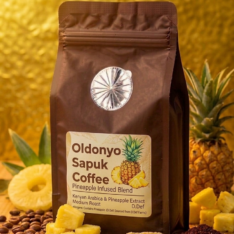
Oldonyo Sapuk Coffee Pineapple Flavour

Current price is: KSh15.00. Original price was: KSh25.00.

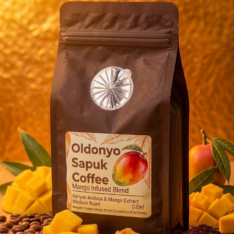
Oldonyo Sapuk Coffee Mango Flavour

Current price is: KSh15.00. Original price was: KSh25.00.
Natural Coffee in Kenya. Our Coffee Varieties & Types

At Oldonyo Sapuk, our natural coffee reflects the unique terroir of Kenya's highlands. The Coffee Research Foundation conducted detailed studies of our soil composition, climatic conditions, and weather patterns to recommend the most suitable coffee species for our land — varieties we have proudly sustained to date.

All our coffee is carefully roasted, with both natural and washed processing used to highlight distinct flavor profiles. Our farm cultivates:

  • Ruiru 11
  • Ruiru 11 Grafted
  • SL 28
  • SL Varieties
We are also introducing the renowned Geisha species from Panama, positioning Oldonyo Sapuk among the first Kenyan brands to bring this exceptional coffee to the local market.

Every Bean
Earns Its Place

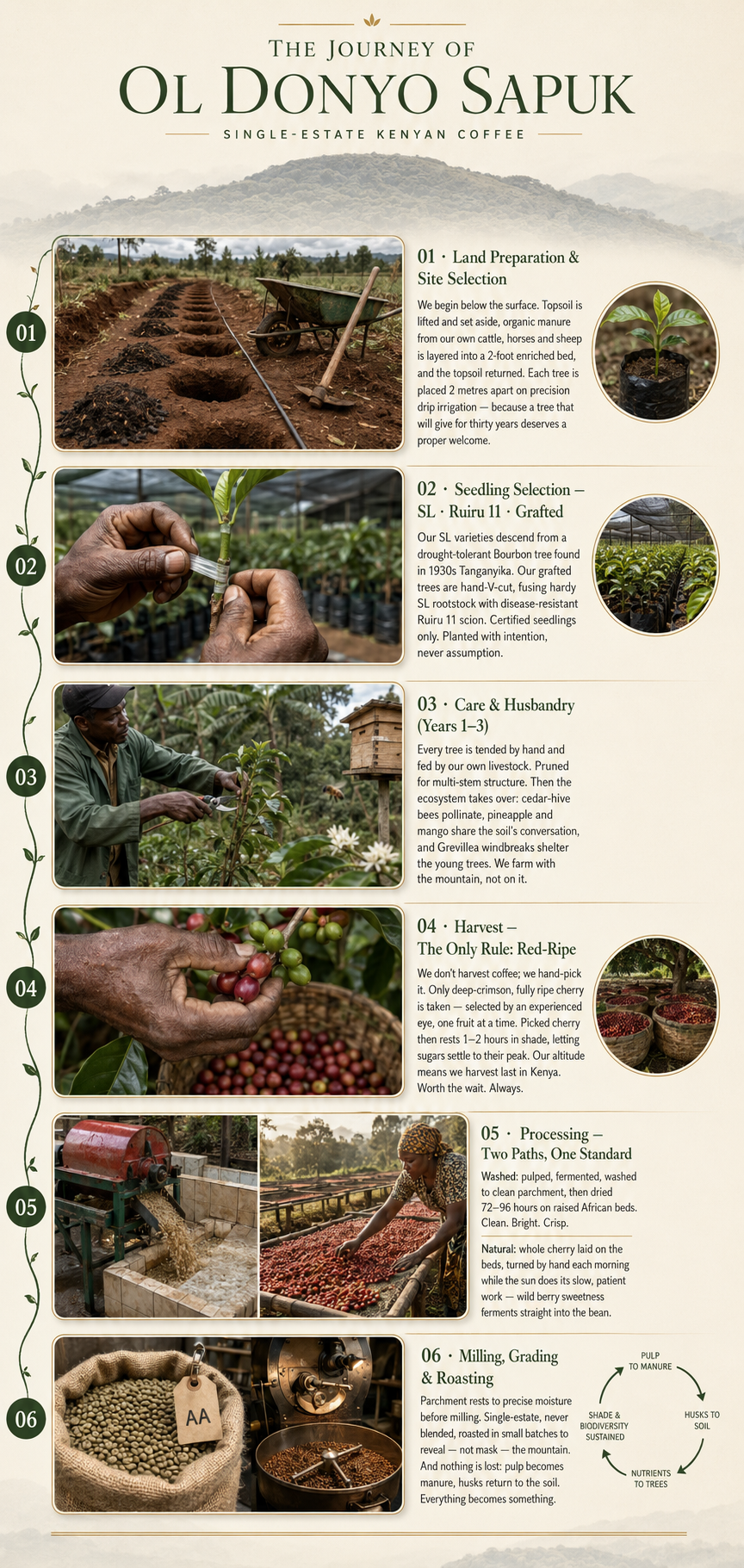
01

Land Preparation & Site Selection

Topsoil removed and set aside. Organic manure from our own cattle, horses and sheep layered beneath. Topsoil replaced. Every tree placed 2m apart, in a 2-foot enriched bed with mineral balancing and precision drip irrigation.

02

Seedling Selection · SL · Ruiru 11 · Grafted

SL varieties trace their lineage to a drought-tolerant Bourbon tree found in 1930s Tanganyika. Ruiru 11 Grafted trees are hand-V-cut — fusing SL rootstock with Ruiru scion. Certified seedlings only. Planted with intention, not assumption.

03

Care & Husbandry (Years 1–3)

Every tree tended by hand. Organic manure from our own livestock. Pruned for multi-stem structure. The ecosystem does the rest — bees pollinate, fruit trees share nutrients, Grevillea trees protect the young plants from wind.

04

Harvest — The Only Rule: Red-ripe Cherry .

We do not harvest coffee. We hand-pick it. Only the deep crimson, red-ripe cherry is selected — by hand, by an experienced eye. After picking, cherries rest 1–2 hours in shade before processing. This is not idle time. It is the cherry releasing stress, allowing sugars to settle into their peak composition.

05

Processing — Two Paths. One Standard.

Washed → Pulped, fermented, washed until clean parchment, then raised African bed dried (72–96 hours). Clean. Bright. Crisp.

Natural → Whole cherry laid on raised beds. Women spread by hand each morning. Sun does its slow patient work. Wild berry sweetness and honeyed depth ferment directly into the bean.

06

Milling, Grading & Roasting

Parchment rests at precise moisture before green bean milling. Single-estate, never blended. Roasted in small batches to reveal — not mask — the mountain. There are no losses: pulp becomes manure, husks return to the farm, everything becomes something.

Oldonyo Sapuk Coffee Process Flowchart

Coffee Tonnes Sold

307+

Coffee Packets Sold

1195 +

Total Full-Scale Harvests

103 +

Client Satisfaction Rate

98.8% +

The Estate Is Not a Farm. It Is a Continuous, Ecosystem Conversation.

Pollinated by Wild Bees Who Live

Within the Estate and Mountain Mist.

Most coffee estates settle for monoculture—orderly, efficient, and predictable. We chose something far more demanding, and far more extraordinary. At Oldonyo Sapuk, coffee does not grow in isolation; it lives within a thriving, breathing ecosystem. Native bees move freely between 37 hand-carved cedar hives, drifting naturally from coffee blossoms to pineapple flowers, citrus groves, and mango trees. These are not commercial, induced-pollination systems, but traditional, non-intrusive cedar boxes designed to honour the bees' instinctive rhythms. With little to no pesticide use, the bees come willingly—carrying with them the essence of the entire mountain, returning it gently to the coffee flowers.

Here, pollination is not random. It is part of a living choreography. Where conventional estates rely on wandering, unfocused pollination that can mute or muddle flavour—like a symphony slightly out of tune—we cultivate intention within nature itself. The placement of each hive, set at 37 carefully considered angles across the estate, encourages a balanced movement of pollen, enriching the coffee blossoms with layered sweetness, bright citrus clarity, floral lift, and delicate red fruit acidity. The result is not imposed; it is guided—shaped by rainfall, season, soil, and the quiet labour of bees.

Lush coffee plantation landscape with mountain mist

This mountain speaks through everything it grows. Pineapple lends its bright tropical lift. Citrus brings a sparkling acidity. Mango deepens the cup with stone-fruit sweetness. Indigenous forest adds floral aromatics, while our own cattle and livestock return organic nourishment to the soil. Grevillea windbreaks steady the microclimate, and even the presence of wild buffalo sustains the wider biodiversity that keeps the ecosystem whole.

Every harvest reflects this harmony. Every cup is a composition—never accidental, always alive. You taste honeyed sweetness carried on the wings of cedar-hive bees, citrus brightness sharpened by mountain air, soft floral notes from forest shade, hints of red fruit, and a grounded chocolate body that lingers. It is coffee with clarity, with memory, with place.

Oldonyo Sapuk does not simply produce coffee. It curates an ecosystem in every cup—a living expression of mountain, soil, and season, where heritage, nature, and craft come together in their purest, most resonant form.

The Ecosystem in Every Cup

  • Pineapple

    bright, tropical notes

  • Citrus

    sparkling acidity

  • Mango

    stone fruit sweetness

  • Indigenous Forest

    floral aromatics

  • Cattle & Livestock

    organic manure

  • Native Cedar-Hive Bees

    natural pollination

  • Wild Buffalo

    forest biodiversity

  • Grevillea Windbreaks

    microclimate balance

Lab-tested Coffee Purity

98.9% +

Hand-picked Red Cherry

100% +

Natural Coffee Pollination

100%

Organic Farm Inputs

98% +

Coffee Berry Tree Traceability

100% +

Four Product Lines. One Mountain's Story.
AA Grade

Classic Kenya

Washed Process

Bright blackcurrant aciditySyrupy bodyClean citrus finishA long honeyed aftertaste

Mbuni Dry

Sun-Dried Natural

Natural Process

Wild berry sweetnessTropical depthHoneyed baseDried fruit complexity

Anaerobic

Sealed & Complex

Anaerobic Fermentation

Wine-forwardLayered fruitDeep complexityThe specialty drinker's obsession

Aerobic

Clean & Bright

Open-Tank Fermentation

Bright clarityClassic structurePure Kenyan acidity with clean cup definition

There are no losses in coffee, as long as it became a bean.

The Tour That Changes How You Drink Coffee

Come to the Mountain. Leave Understanding Your Cup.

Before we take you anywhere, you receive a cup of Oldonyo Sapuk coffee. Not as refreshment — as a reference point. You will taste it now, without context. Then again, two hours later, with all the context in the world.

Morning Arrival & The First Cup

Arrive the evening before and stay at the resort. Wake to mountain air, birdsong, and the smell of drying cherry on the beds below. Some experiences begin before you think they begin. Then: your reference cup.

The Walk — 2 to 3 Hours

Through living coffee trees, pineapple rows, flowering citrus, and mountain paths. See the cedar beehives. See the raised drying beds. See a woman spreading fresh cherries in the morning sun, placing each one with the care of someone who knows exactly what it becomes.

The Process Up Close

Watch pulping. See parchment emerge. Understand fermentation and drying. Hold a ripe cherry in your hand and feel the weight of everything this small fruit becomes.

The Ethiopian Bunna Ceremony

We close with a traditional Ethiopian coffee ceremony — Jabana pot, popcorn, storytelling. Coffee was always a ritual. We honour that. Then: the second cup. Same beans, same roast, same cup. Different understanding. Completely different coffee.

Visitors on a guided coffee farm tour at Oldonyo Sapuk
Duration 2–3 Hours (early morning)
Gift Hamper KES 1,500 – 2,000
Accommodation Available · Strongly Recommended
Book a Tour
Our Story

A Gift That Outlasts YouThe Difference Between a Season and a Century.

Our Background Story

A coffee estate is not hurried into existence—it is grown into permanence. A nine-year-old tree carries nearly a decade of quiet work beneath the soil, its roots reaching deep into mineral-rich earth, learning the hidden paths of water and season. Tend it with care, and it will give for another generation—and another still. This is why coffee is never merely a crop. It is a declaration of intent, a long promise written into the land.

At Oldonyo Sapuk, that promise is deeply personal. Coffee is not just what we grow; it is what we inherit and what we pass on. My grandfather and father were coffee farmers in Kangundo, and I stand as the third generation shaped by its rhythms. There was a time when coffee disappeared from our land—mismanagement drove many to uproot their trees, and like others, I turned to alternatives.

French Beans Tried & faced challenges
Avocado Highly perishable
Macadamia Lost to termites

Coffee is generational wealth. It is the difference between leaving your children something—and leaving them something they can live on.

It asks for patience, resilience, and belief, but it returns longevity, stability, and purpose. So despite the doubts, despite the harder road, and despite the demands of doing it right—from restoring the land to investing in sustainable drip irrigation—I chose to bring coffee back.

The path was not easy. But endurance rarely is. Today, the estate thrives once more, rooted in both heritage and intention, with a future that stretches as far as the trees themselves will grow.

And every cup tells that story. Each labour-intensive, hand-picked harvest sustains not just the land, but the people tied to it—families who work, learn, and build lives around something that lasts. At Oldonyo Sapuk, coffee is more than flavour or craft. It is continuity. It is livelihood. It is legacy, carried forward—one harvest, one generation, one cup at a time.

Oldonyo Sapuk Coffee Frequently Asked Questions About Our Natural Coffee in Kenya Here are some of the most asked questions about our natural coffee in Kenya.
01 What is natural processed coffee, and how is it different from washed coffee?
Natural coffee is made by drying the whole cherry in the sun, rather than washing off the fruit first. This process enhances fruit-forward flavors, adding notes of berries, citrus, and tropical fruit, giving a sweeter and more complex cup compared to the cleaner, brighter taste of washed coffee.
02 Why is Kenyan natural coffee so unique?
Kenya's high-altitude farms, mineral-rich red soils, seasonal rainfall, and micro-climates create ideal conditions for coffee to develop vibrant acidity and complex flavors. When natural processes are carefully managed, each cup captures the unique terroir of the farm, delivering a true taste of its origin.
03 Can natural coffee be purchased in bulk for cafes and restaurants?
Yes! Oldonyo Sapuk offers natural process coffee in multiple sizes—from 500g, 1kg, and 2kg packs to bulk orders up to 50kg—ensuring homestead, cafes and restaurants can maintain consistency and showcase the distinct flavor profiles of Kenyan natural coffee.
04 How should I store natural coffee to maintain its flavor?
Natural coffee beans are best stored in a cool, dry place, away from direct sunlight and moisture. Airtight containers help preserve their fruit-forward aromas and sweetness. Proper storage ensures each batch tastes as vibrant as the day it was roasted.
05 What can coffee tourists expect when visiting your coffee farm?
Visitors get a full farm-to-cup experience, seeing everything from seedlings and flowering trees to green and red cherries, harvesting, processing, drying, and roasting. Tours include walks through plantations, open pineapple farms, and the slopes of the mountain, all while connecting with nature in a safe and relaxing environment.
06 Are the bees on the coffee farm dangerous, and can they be moved if needed?
No, the bees at Oldonyo Sapuk are entirely safe and non-aggressive. They naturally pollinate coffee and surrounding fruit trees, enhancing flavor clarity. If necessary, hives can be relocated safely by experts without harming the bees, ensuring both visitors and the ecosystem remain protected.
07 What's the difference between aerobic processed coffee and anaerobic processed coffee?
In aerobic fermentation, the coffee ferments in the presence of oxygen, usually in open tanks or containers. This process often produces clean, bright, and classic flavor profiles with clear acidity.
In anaerobic fermentation, the coffee ferments in sealed tanks or bags with little or no oxygen. The controlled environment encourages different microbial activity, which can create deeper, fruitier, and more complex flavor characteristics.
After fermentation, both coffees still go through the drying stage before milling. The key difference is the fermentation environment—not the drying or milling process.
Neither method changes the coffee variety itself; it only influences how the natural sugars and compounds develop during processing. When done correctly, both methods can produce exceptional specialty coffee.